Image Copyright and Licensing: A Complete Guide to Using Images Legally Online
Learn everything about image copyrights, licensing, fair use, and how to legally use images from different sources without legal issues.
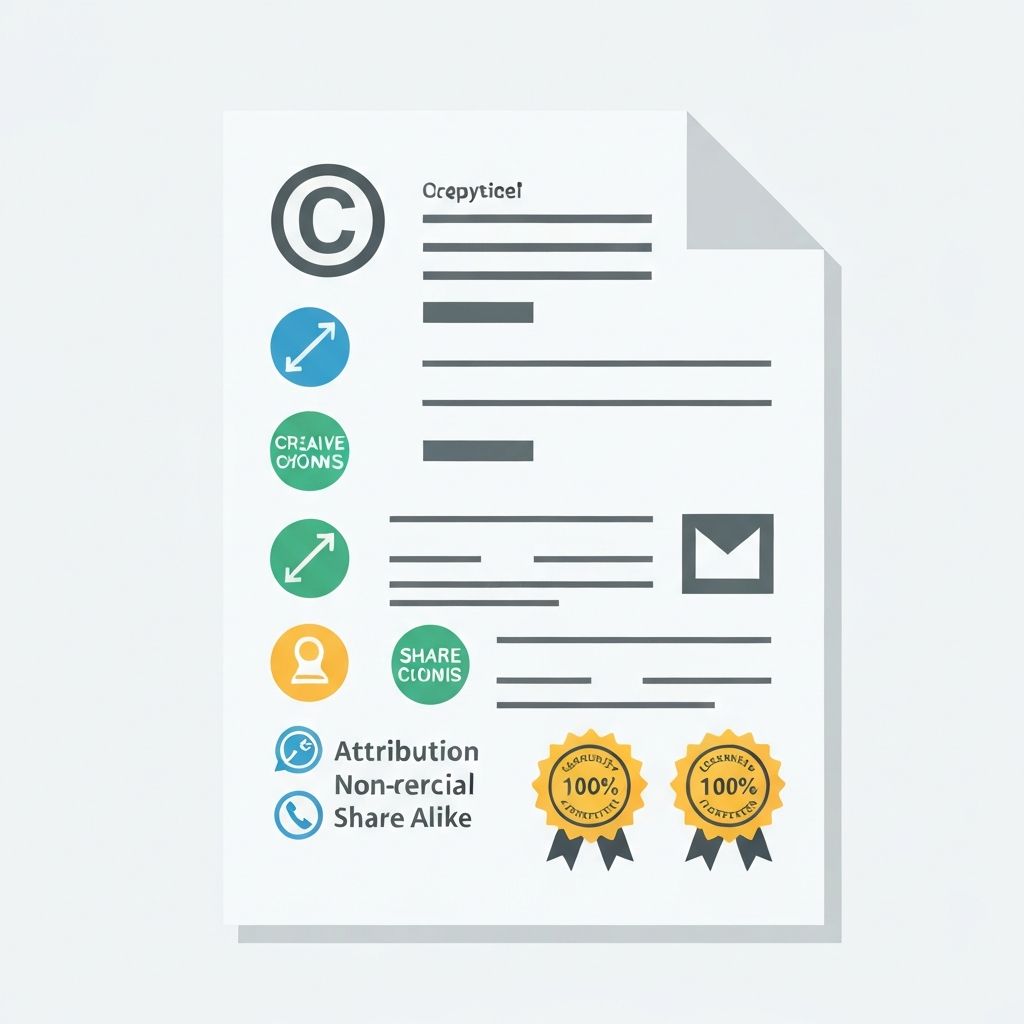
Using images online legally is crucial for protecting yourself from copyright issues. This guide explains copyright law, licensing types, and how to use images safely and legally.
Understanding Image Copyright Basics
Copyright protects creative works, including photographs, illustrations, and graphics. As soon as an image is created and fixed in a medium, it's automatically copyrighted—no registration needed. This means every photo someone takes is protected by default, and using it without permission is illegal.
The copyright owner has exclusive rights to reproduce, distribute, display, and create derivative works. Understanding these rights is fundamental to using images legally online.
Common Image Licenses Explained
Creative Commons licenses allow creators to share their work with specific permissions. Here are the main types:
- CC0 (Public Domain): No restrictions; use freely
- CC-BY: Use freely if you credit the creator
- CC-BY-SA: Use and modify if you credit and share under same license
- CC-BY-NC: Use freely for non-commercial purposes if credited
- CC-BY-ND: Use as-is if credited; no modifications allowed
- CC-BY-NC-SA: Non-commercial use with attribution and share-alike
- CC-BY-NC-ND: Most restrictive; non-commercial, no modifications
Understanding these restrictions prevents unintentional copyright violations when using shared images.
Finding Legally Licensed Images
Legitimate stock photo sites like Unsplash, Pexels, and Pixabay offer free images with explicit licenses. Premium services like Shutterstock, Getty Images, and Adobe Stock provide professional images with clear licensing terms. Always check the specific license before downloading and using any image.
Many stock sites provide different licenses for personal and commercial use. An image free for personal blogs may require payment for commercial websites, so verify usage rights before publication.
The Fair Use Doctrine
Fair use is a legal doctrine allowing limited use of copyrighted material without permission for purposes like criticism, commentary, news reporting, teaching, scholarship, or parody. However, fair use is complex and heavily dependent on context.
Courts consider four factors: the purpose and character of use, the nature of the copyrighted work, the amount used, and the effect on the market value of the original. Using an image for commercial purposes rarely qualifies as fair use, so don't rely on this protection for business applications.
Commercial Use vs. Non-Commercial Use
Commercial use means the image generates revenue or promotes a business. This includes website images for companies, marketing materials, product listings, and sponsored content. Non-commercial use includes personal blogs, educational materials, and hobby projects not intended for profit.
Many free image sources prohibit commercial use without proper licensing. Always clarify the intended use before incorporating images into your project.
Attribution Requirements
Many licenses require attribution—crediting the original creator. Requirements vary; some demand visible credits near the image, others require links to the creator's portfolio. Always check the specific license terms for exact attribution format and placement requirements.
Proper attribution protects you legally and respects the creator's rights, building community goodwill in the creative ecosystem.
Modifying Licensed Images
Some licenses allow modifications while others prohibit them. If editing is permitted, derivative works often must follow the same license as the original. For example, CC-BY-SA derivatives must also use CC-BY-SA licensing, ensuring the modified work remains freely shareable.
Always verify modification permissions before editing and using licensed images.
Consequences of Copyright Infringement
Copyright infringement can result in cease-and-desist letters, content removal, account suspension, and legal action. Damages can reach thousands of dollars, and in egregious cases, criminal penalties may apply. Even unintentional infringement carries liability.
Taking time to source images properly costs nothing compared to potential legal troubles.
Best Practices for Legal Image Usage
Use only images you've created, purchased licenses for, or explicitly licensed. Always read terms carefully—what's free today might not be free tomorrow. Keep records of licenses and attributions. When unsure, seek explicit permission or seek professional legal advice. Use image editing tools like ImageToolsPro to responsibly modify and optimize images within licensing restrictions.
Conclusion: Respect, Legal Compliance, and Community
Using images legally protects you, respects creators' rights, and strengthens the online creative community. By understanding copyright, exploring appropriate licenses, and following best practices, you can confidently use images while supporting creators and avoiding legal issues.